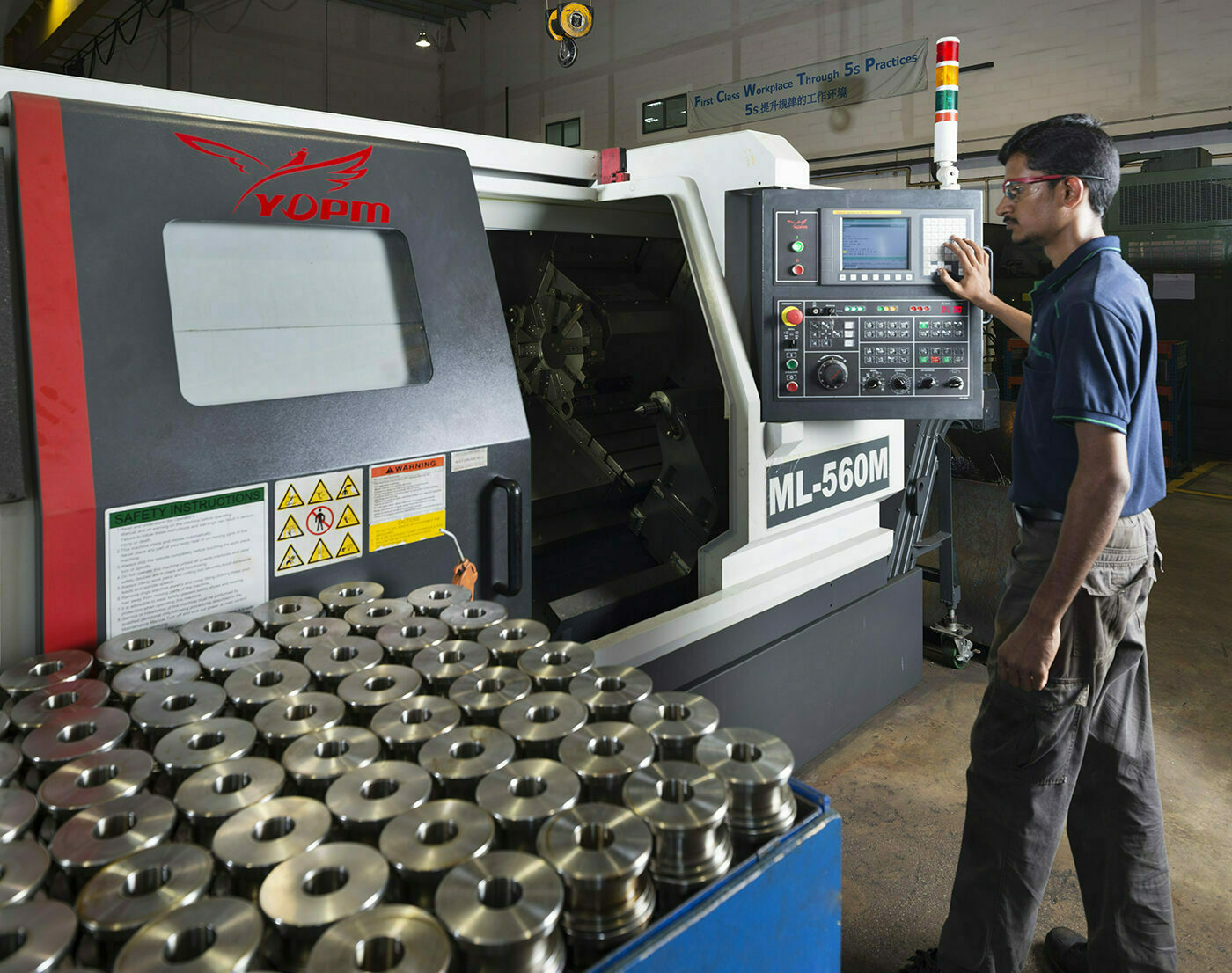
Mechanical systems are the often unseen champions of many machines around the globe, efficiently powering high-load operations in infrastructure, agribusiness, manufacturing, and mining projects. These strong mechanical devices transform controlled liquid into accurate, direct motion, raising, driving, drawing, and placing large objects with accuracy and consistency. While they may seem misleadingly basic from the exterior, the power of a mechanical unit is the outcome of the smooth coordination of many inner parts operating in unison in ideal balance. Understanding these essential parts and their functions is important for any technician engaged in planning, usage, or repair of hydraulic systems. Hydraulic cylinder parts
Core Elements of a Mechanical Actuator and Why They Work
At the core of each hydraulic actuator lies the main barrel, a precision-machined chamber that contains the core sliding components. It serves as the primary body of the system and holds the working oil that transmits energy. Because it must handle high inside pressure and enable smooth movement, the inside bore of the tube is precisely polished to tight standards.Inside this tube sits the piston, the mobile element that splits the internal chamber into separate working chambers. When high-pressure liquid is directed to each side of the component, energy builds up and pushes the component along the length of the tube. This process is what ultimately produces the controlled, direct motion that the system is engineered to deliver. The piston’s alignment and contact within the barrel are essential for effective energy transfer and reduced oil loss.
Connected firmly to the piston is the piston shaft, a strong metal rod that delivers the force created within the unit to the connected mechanism. Whether extending to lift a heavy load or pulling back to realign a assembly, the drive bar must be exceptionally tough and long-lasting. Often chrome-plated or otherwise treated to reduce corrosion and friction, this rod ensures that the cylinder can deliver reliable results under the most demanding situations. Hydraulic cylinder parts
How Learning Hydraulic Cylinder Components Is Important More Than You Think
Hydraulic cylinders hold a major function in countless mechanical uses, but their output and service life hinge on the condition of every inner component. Learning the jobs of the main barrel, disc, output, sealing elements, and other elements enables technicians to diagnose faults quickly, schedule repairs proactively, and support smart decisions about overhauls or changes. A worn output sealing ring might cause oil leakage long ahead of a major failure becomes visible, and recognizing this soon can save costly delays and service costs.Moreover, picking the right mechanical cylinder for a particular job demands awareness of how these parts impact force, movement precision, and strength. Whether you are selecting equipment for a building operation, maintaining farming tools, or troubleshooting industrial processes, a clear understanding of mechanical cylinder structure helps support optimal results.
As the core of so countless mechanical machines, mechanical cylinders deserve proper consideration. By appreciating the roles each component handles—from the durability of the piston rod to the precision of a small ring—you release the complete potential of your equipment and protect its function for many years to forward.
Find out more on - Hydraulic cylinder parts