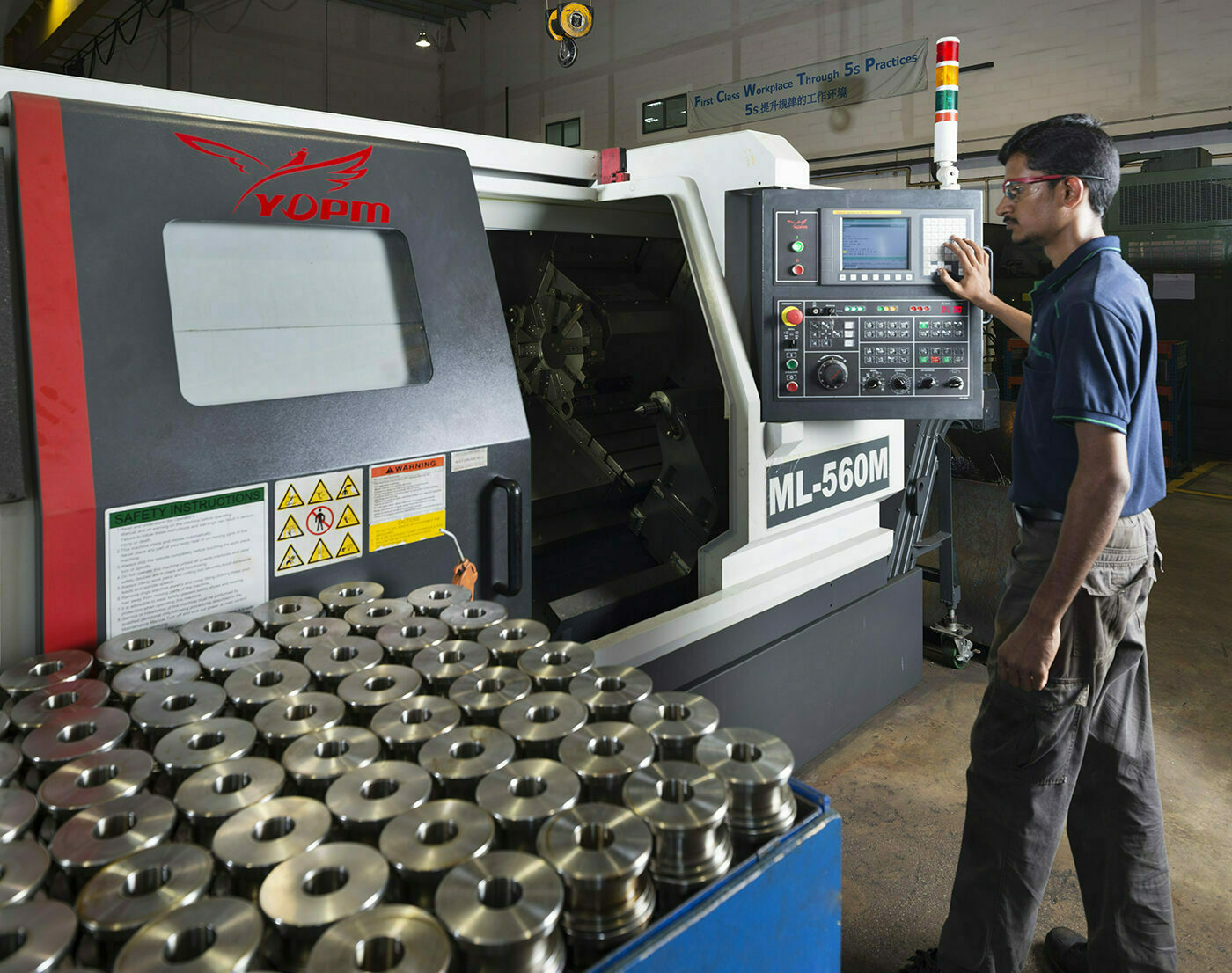
Hydraulic systems are the unsung champions of numerous systems around the industry, quietly powering demanding operations in construction, farming, manufacturing, and mineral projects. These strong hydraulic units transform pressurized liquid into precise, direct movement, lifting, driving, pulling, and aligning massive materials with precision and dependability. While they may appear deceptively basic from the surface, the power of a mechanical unit is the outcome of the perfect coordination of multiple core elements working in unison in perfect balance. Learning these essential components and their jobs is important for any professional working in engineering, operation, or repair of mechanical equipment. Hydraulic cylinder parts
Core Parts of a Industrial Unit and How They Work
At the center of each mechanical cylinder lies the main body, a precision-machined housing that supports the key sliding parts. It serves as the main body of the cylinder and stores the working liquid that carries energy. Because it must endure intense operating stress and enable consistent movement, the inner wall of the tube is finely finished to exact standards.Inside this tube sits the pressure plate, the active component that splits the internal area into distinct pressure chambers. When controlled oil is sent to either face of the disc, pressure builds up and drives the unit along the length of the cylinder. This movement is what effectively produces the powerful, direct force that the unit is built to deliver. The piston position and sealing within the housing are essential for efficient energy delivery and minimal liquid leakage.
Connected directly to the core is the output rod, a strong alloy shaft that delivers the force created within the unit to the external mechanism. Whether moving out to lift a massive object or retracting to reset a part, the drive rod must be extremely tough and damage-resistant. Often chrome-plated or otherwise finished to reduce rust and friction, this rod ensures that the unit can deliver steady performance under the harshest conditions. Hydraulic cylinder parts
Why Understanding Cylinder Components Matters More Than You Expect
Mechanical systems hold a critical function in many mechanical applications, but their efficiency and durability hinge on the condition of each inner element. Learning the jobs of the pressure barrel, piston, rod, sealing elements, and additional elements enables engineers to diagnose issues rapidly, schedule maintenance proactively, and make informed decisions about overhauls or upgrades. A failed shaft sealing ring might lead to oil loss long before a piston failure becomes clear, and detecting this soon can reduce costly interruptions and maintenance costs.Moreover, choosing the right hydraulic system for a given application needs understanding of how these components influence output, movement control, and lifespan. Whether you are planning machinery for a construction operation, servicing agricultural equipment, or troubleshooting factory systems, a clear understanding of hydraulic unit structure helps ensure maximum results.
As the core of so numerous mechanical applications, hydraulic units deserve serious attention. By recognizing the functions each part performs—from the strength of the output rod to the precision of a tiny seal—you release the full power of your machinery and protect its function for years to ahead.
Find out more on - Hydraulic cylinder parts